Need home tub-to-shower conversions in Haverhill?
Tell us about your bathroom and request an estimate. Providers in our network reply with written quotes you can compare, with no obligation to hire anyone.
No obligation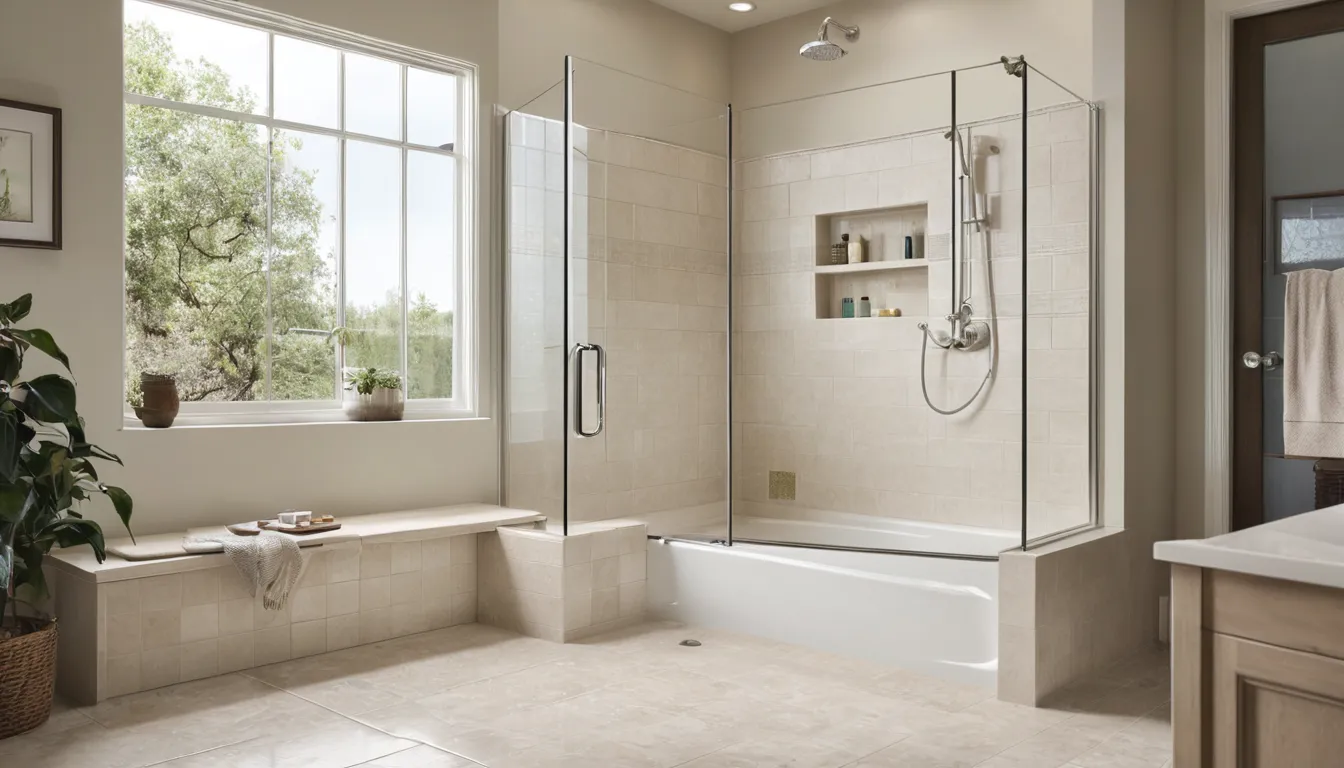
Request an estimate, no obligation
A tub-to-shower conversion takes out the old tub and puts in a shower with a much lower step. For many homeowners, that one change makes daily bathing calmer and safer. It can also suit guests, growing families and anyone planning ahead.
Corruptionfeeling Walk-In Tubs is a referral service. We do not do the work. We connect you with independent providers in our network who serve the Haverhill area. Each one sets its own prices, schedule and materials. Our advice is simple: get quotes in writing, read them line by line, and take your time. You are never required to hire anyone.
Most bathroom falls happen at one spot: the edge of the tub. You lift one leg, balance on the other, and the surface is wet. A tub-to-shower conversion removes that high step. If balance, knees or hips are already a worry, start here.
See if any of these sound familiar:
A conversion suits people who prefer showers and rarely soak. It also works well in a home with a second bathroom, so a tub is still around for resale or for kids. Think about who lives here now and who may visit later. If you want to sit and soak, that is a different project with its own page.
Providers in our network usually talk about three setups:
Prefab acrylic or fiberglass units go in faster and cost less. Custom tile fits odd spaces and looks polished, but it adds labor and grout to clean. Solid-surface panels sit in the middle. Ask each provider to name the exact material in the quote.
Glass doors look open and wipe clean fast, but they cost more and need hardware. A fixed panel blocks most spray and leaves a wide entry, which suits walkers and chairs. A curtain costs the least up front and is easy to swap, though it can cling and mildew. In tight rooms, a panel or curtain avoids a swinging door.
First the provider measures and checks the walls and drain. Then the old tub is cut out and hauled away. Plumbing is reset, walls are repaired, and the new base and walls go in. Last come the fixtures, door and sealant. In effect, this tub replacement changes the whole footprint of the tub area.
Many prefab jobs take a few days. Tile or curbless work can run a week or more, because materials need time to set and cure. Ask for the schedule in writing. Also ask what happens if hidden damage shows up once the tub is out.
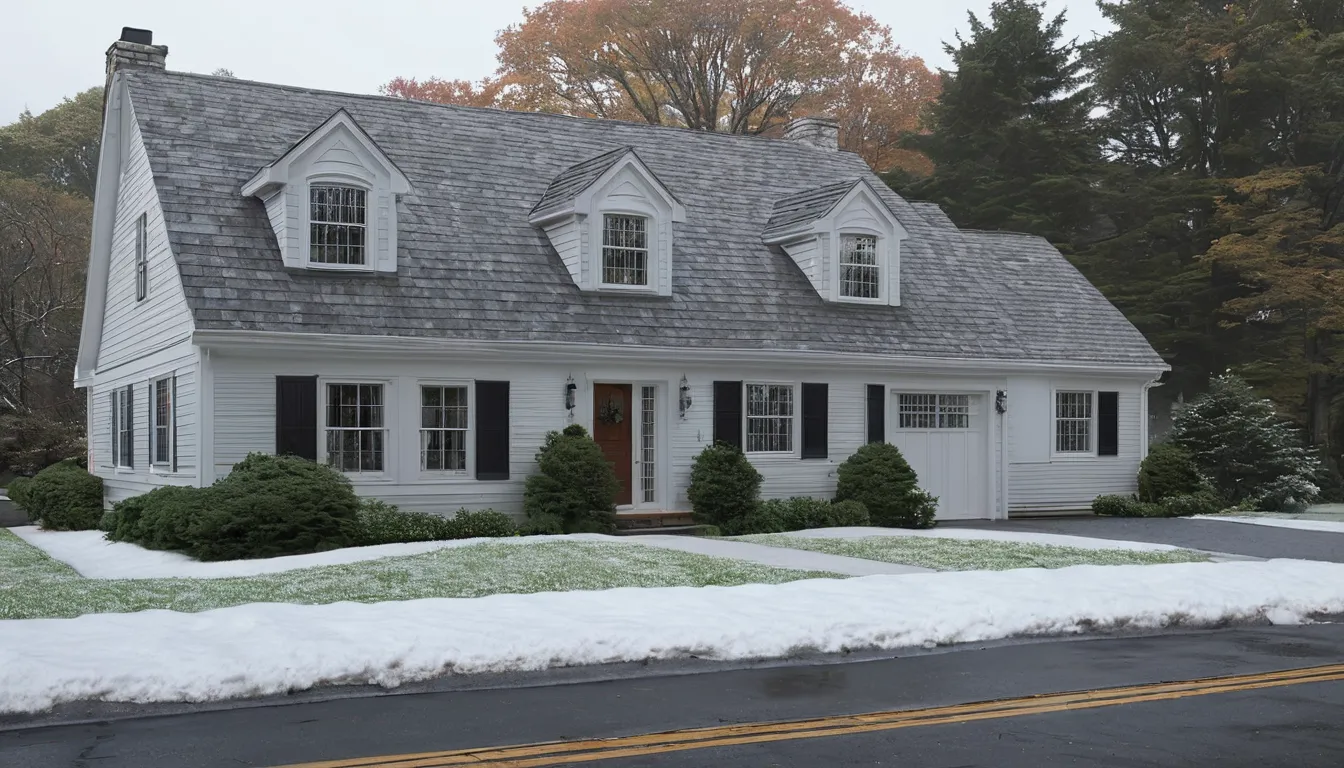
Older housing stock often means narrow bathrooms, aging pipes and floors that were never level. In Cape Cod style homes, the bath may sit under a sloped ceiling. Homes with stone or block foundations and full basements can make drain work harder. Ask how each provider would handle these, and whether extras are priced separately.
Cold, snowy winters and repeated frost cycles are hard on outside walls. If the bathroom shares a wall with the outdoors, ask about insulation and moisture barriers behind the new panels. Wet wall cavities can lead to mold. Also ask how the provider will keep pipes safe while the walls are open.
The total is made of a few line items:
Two quotes can sit far apart because they cover different things. That is why a written breakdown matters.
Collect two or three written quotes. Lay them side by side, line by line. Check brands, drain work, disposal and cleanup. A higher quote may include items a shorter one leaves out. You do not have to pick on the spot, and you have no obligation to hire anyone.
Blocking inside the wall for grab bars costs little now and is hard to add later. Ask about a bench, a handheld spray on a slide bar, an anti-scald valve and a non-slip floor. These small items turn a basic shower into a true safe bathing conversion.
Plan for a walker, a shower chair or a helper standing nearby. A wider opening, often 32 to 36 inches, gives more room. Choose a layout that works today and can adapt later. Some people also look at senior walk-in tubs for soaking, but a shower with a seat covers most daily needs.
Ask for scope, materials, price and schedule on paper. Compare, then decide. Request a callback to check provider availability, or request an estimate through the form.
A provider looks at the walls, drain and floor before pricing anything in writing.
The existing tub is cut out and hauled away, and the space is prepared for the new base.
A low-step base and wall panels or tile go in, matched to your layout and budget.
Grab bar blocking, benches and handheld sprays can be added while the walls are open.
These are typical U.S. ranges, and real prices vary by home and job. Layout, materials and plumbing changes move the total most. Use the table to prepare questions, then ask each provider for a written quote.
| Item | Typical range | Notes |
|---|---|---|
| Prefab acrylic or fiberglass conversion | $3,500 – $8,000 | Faster install, fewer custom parts |
| Custom tile shower conversion | $6,000 – $15,000 | More labor, longer cure times |
| Curbless (zero-threshold) entry | $7,000 – $18,000 | Floor work can add cost |
| Glass door or fixed panel | $400 – $2,500 | Frameless styles cost more |
| Grab bars, bench, handheld spray | $150 – $1,200 | Wall blocking is cheaper while open |
| Wall, floor or plumbing repair | $300 – $3,000 | Depends on what is found behind the tub |
Share your bathroom, your budget and who will use the shower.
We connect you with independent providers in our network who serve your area.
Review each written quote, ask questions and note what is included or left out.
Choose a provider only if one fits. There is no obligation, and the work is done by the provider you pick.
See scope, materials and price side by side.
Providers in our network set their own prices, schedules and materials, so you can weigh real options.
Take your time. Requesting an estimate carries no obligation.
Clear price drivers help you ask better questions.
Tell us about your bathroom and request an estimate. Providers in our network reply with written quotes you can compare, with no obligation to hire anyone.
No obligationTypical U.S. prices run from a few thousand dollars for a prefab unit to well over ten thousand for custom tile or a curbless design. Layout, materials and plumbing change the total, so get written quotes and compare them line by line.
Many prefab jobs take a few days. Tile or curbless work can take a week or more because materials must cure. Ask for a written schedule.
Coverage varies. Some policies may cover sudden damage, but a planned safety upgrade is often not covered. Check your policy or plan, and ask providers what paperwork they can supply.
Tell us about your bathroom and request an estimate. Providers in our network reply with written quotes you can compare, with no obligation to hire anyone.
No obligation